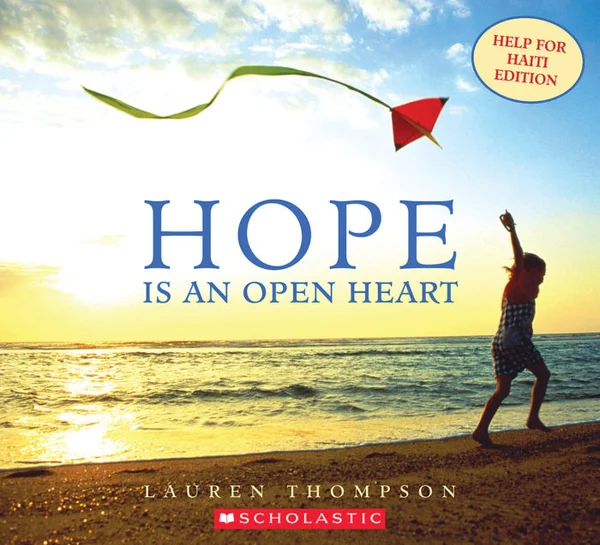
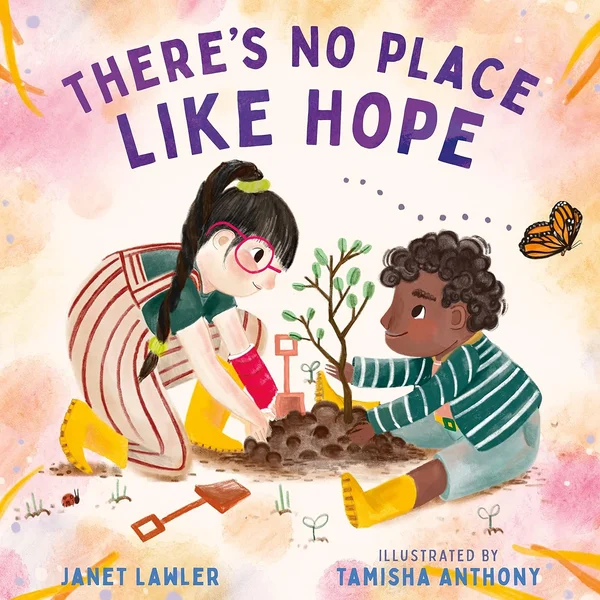
Cover of There’s No Place Like Hope
There’s No Place Like Hope
📚
Hope Pre-K & Kindergarten

Book Guide

There’s No Place Like Hope

A story that explores hope and opens a conversation with your child.

★★★★★ Loved by families
This book teaches: Hope. believing that things can get better.

Before, During & After Reading

Guiding Questions for Parents

Definition of Hope for children ages 4 - 11: To be hopeful means to believe that something good can happen, even when it doesn’t look like it, or when it turns out differently than expected.

Resource: 2 MIN READ ALOUD - There’s No Place Like Hope by Janet Lawler

Summary:

This poem helps students understand the many ways hope helps us.

Lesson Objectives: 

  1. Students review what the word hope means and how it applies to their lives by talking about all the examples in this poem.

Guiding Questions: 

  1. What does the word hope mean to you?
  2. What does hope do for you when you are sad?
  3. How does hope help you when you want to give up because something is too hard?
  4. When you want to make new friends, how does hope help you?
  5. How did the boy know the dog was lost? Did the owner put up the sign because they hoped someone would find their dog?
  6. Does hope help you try harder to do something?
  7. Can you think of a time when you almost gave up but then decided to keep trying and it worked out?
  8. What’s something you could say that would give hope to someone who tried hard to do something but couldn’t do it?
  9. When you don’t believe you can do something, but really, really want to do it, what could you say to yourself that would help you keep trying?
  10. Think of something that feels hard today - what do you hope will happen to make it better?
🌿   Virtue Connection: Hope means believing that what comes next can be better.

About the Story

This poem helps students understand the many ways hope helps us.

Read-aloud video · Best with headphones
Find this book at your library or bookstore →

Explore more guides for Pre-K & Kindergarten.